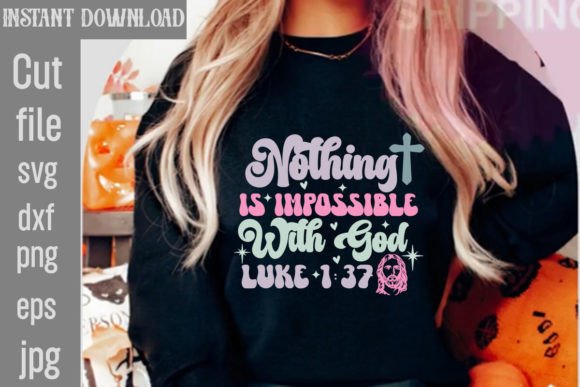
Reviewing Nothing is Impossible with God Luke 1 37
As an embroidery designer who has spent countless hours digitizing, testing, and stitching out designs for clients, I approach every new machine embroidery design with a critical eye. It is not just about whether the artwork looks good on a screen; it is about how it translates to thread, how it behaves on fabric, and whether it holds up to the scrutiny of a paying customer. Recently, I evaluated the Nothing is Impossible with God Luke 1 37 graphic for potential use in a custom apparel line. This review breaks down my practical observations, focusing on real-world application rather than marketing hype.
First Impressions and Visual Mood
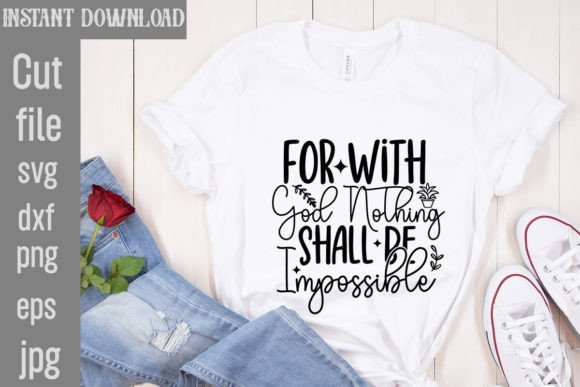
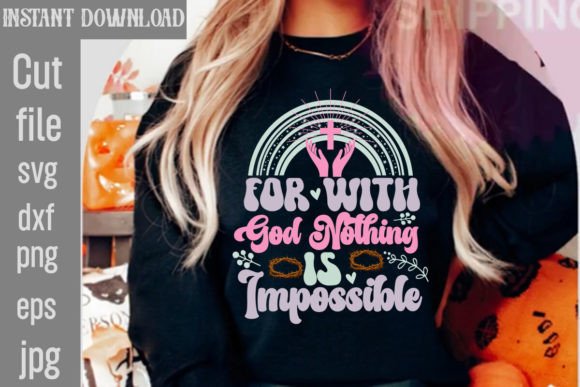
The phrase "Nothing is Impossible with God" carries a weighty, uplifting sentiment that resonates deeply in faith-based communities. When I first opened the files included in the DIGITAL DOWNLOAD ONLY package, I was looking for clarity and balance. The design includes an SVG file for Cricut, a DXF file for Silhouette, an EPS vector file, and a PNG with a transparent background at 300 DPI. While these formats are primarily geared toward cutting machines and digital printing, they serve as excellent references for understanding the visual structure before converting or adapting them for embroidery.
The layout feels clean and modern, avoiding the cluttered aesthetics that often plague religious-themed graphics. For an embroidery project, this simplicity is a virtue. Complex, overly detailed illustrations can become muddy when stitched out, especially on textured fabrics. This design’s straightforward typography and balanced composition suggest it would translate well into a combination of satin stitch lettering and simple fill stitch accents. The mood is one of quiet confidence, making it suitable for everyday wear rather than just special occasion garments.
Real-World Application: The Sweatshirt Test
To truly gauge the viability of this design, I imagined applying it to a mid-weight cotton blend sweatshirt, a staple in any craft business inventory. I envisioned placing the text across the chest, centered and prominent. In this scenario, the legibility of the lettering is paramount. If the font is too thin, the stitches may break or fail to cover the fabric adequately. If it is too dense, the garment will pucker and feel stiff against the skin.
For a sweatshirt embroidery project, I would recommend using a cut-away stabilizer to support the weight of the thread without restricting the stretch of the fabric too much. The design’s open spacing allows for breathability in the stitch pattern, which is crucial for comfort. I also considered how this would look as a tote bag design. On canvas, the same design would require a heavier tear-away or cut-away stabilizer to prevent distortion. The bold statement fits perfectly on a reusable bag, appealing to customers who want to carry their faith visibly in their daily routines.
Navigating Fabric and Hoop Constraints
One must be cautious when adapting digital graphics like this for embroidery. Since the product provides vector and raster images rather than native embroidery files (such as PES or DST), the user must either digitize the design themselves or use software to convert it. This step is critical. Without proper digitizing, you risk poor stitch density and thread breaks. I always advise testing the design on scrap fabric first. Check how the thread colors contrast against your chosen material. A dark navy thread on a black shirt will vanish, while white on white might lack definition unless you use texture to create depth.
Consider the hoop size carefully. If you are working with a small 4x4 inch hoop, you may need to scale the design down, which could compromise the readability of smaller letters. Conversely, a large 8x10 inch hoop allows for more intricate detail but requires more time and thread. For curved surfaces like caps, the design needs to be warped or adjusted to fit the contour. A flat, wide design might distort on a baseball cap, so breaking the text into two lines or adjusting the arch is often necessary for professional results.
Commercial Viability and Customer Trust
For Etsy sellers and small shop owners, the perceived value of a finished product is tied directly to its craftsmanship. A well-executed embroidered patch or custom apparel item featuring this verse can command a higher price point because of its emotional resonance. Customers are not just buying a shirt; they are buying a reminder of strength and faith. However, sloppy stitching undermines this message. Ensure that your jump stitches are trimmed, your tension is balanced, and your backing is neat.
This design works well for various personalized gift occasions, such as baby showers, baptisms, or holiday gifts. For baby items, however, extra care is needed. Use soft threads like rayon or polyester that are gentle on sensitive skin, and avoid dense fill stitches that could irritate. A simple running stitch outline or lightweight satin stitch is often better suited for delicate onesies than heavy coverage.
Practical Designer Notes
- Test Before Production: Always stitch out a sample on the actual fabric you intend to use. Different materials react differently to tension and needle penetration.
- Check Licensing: While this is a digital download with commercial-friendly formats like SVG and PNG, confirm the specific license terms for using the resulting embroidered products in commercial sales. Most designers allow selling finished physical items, but reselling the digital file itself is typically prohibited.
- Contrast is Key: Use high-contrast thread colors to ensure the message is readable from a distance. This is especially important for tote bags and apparel worn in public spaces.
- Stabilizer Selection: Match your stabilizer to your fabric. Knits need cut-away; wovens can often use tear-away. Do not skip this step, as it defines the professionalism of the final product.
- Mockup Verification: Use the included PNG to create printable mockups for your online store. This helps customers visualize the design on different products before they buy, reducing return rates and increasing buyer engagement.
In conclusion, Nothing is Impossible with God Luke 1 37 is a versatile graphic asset that, when properly digitized and stitched, can elevate a range of handmade products. It offers a blend of spiritual encouragement and modern aesthetic appeal. For the diligent crafter willing to invest time in proper setup and testing, this design represents a solid addition to their library of commercial embroidery assets. It is not just a image; it is a tool for creating meaningful, high-quality goods that resonate with buyers.