Reviewing the I Can Do All Things Shirt Design for Embroidery
As a designer who spends more time staring at stitch simulations than actual fabric, I have learned to look past the flashy preview images. When I first opened the file for the I Can Do All Things Shirt, my immediate reaction was not about the aesthetic alone, but about its structural integrity once translated from pixels to thread. This design, rooted in the popular Christian T-shirt Designs niche, offers a bold statement that resonates with a wide audience. However, translating a graphic intended for screen printing or direct-to-garment printing into a machine embroidery design requires a critical eye. Here is my practical assessment of how this asset performs in real-world craft business scenarios.
First Impressions and Visual Personality
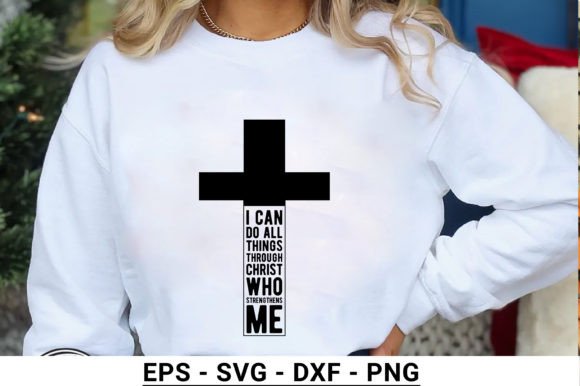
The phrase "I Can Do All Things" carries a weight of empowerment and faith. Visually, the design relies on strong typography and balanced spacing. For an embroidery project, this is both a blessing and a challenge. The mood is uplifting and confident, making it an ideal candidate for personalized gifts and custom apparel. When I evaluated the layout, I noticed the clean lines and open spaces between letters. This is crucial because, in embroidery, negative space is just as important as the stitched areas. If the letters are too close, the fabric can pucker; if they are too far apart, the message loses cohesion.
The visual personality of this piece feels modern yet timeless. It does not rely on overly intricate flourishes that might get lost in translation. Instead, it leans on clarity. For small shop owners and Etsy sellers, this clarity translates to higher readability on finished products, which is essential for customer engagement. Whether viewed on a sweatshirt from across a room or on a tote bag at a craft fair, the message remains distinct.
Real-World Application: The Sweatshirt Test
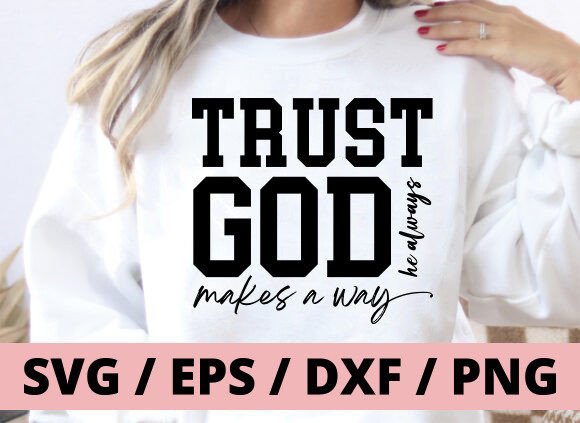
To truly understand the value of any digital embroidery file, you must imagine it on a specific substrate. I mentally placed this design on a mid-weight cotton blend sweatshirt, a staple in many boutique collections. The result was promising. The bold nature of the text complements the casual, comfortable vibe of a sweatshirt. Unlike delicate script fonts that can look spindly on thick fleece, this design holds its own. It suggests durability and strength, aligning perfectly with the message.
Beyond sweatshirts, I see this design working exceptionally well on tote bags. A canvas tote with this quote stitched in contrasting thread colors becomes more than just a bag; it becomes a statement piece. For holiday embroidery projects, such as Christmas gifts for church groups or community volunteers, this design offers a versatile option that fits various demographics. It is not overly seasonal, which extends its shelf life in your inventory.
Technical Considerations for Stitching Clarity
While the provided description notes that the files included are a PNG image with a transparent background, this raises a significant point for embroidery designers. A PNG is a raster image, not a native embroidery file format like PES or DST. This means you cannot simply load it into your machine. You must use digitizing software to convert the graphic into a machine embroidery design. This step is critical. If you are not an experienced digitizer, you must be cautious. Automatic conversion tools often create excessive stitch density or poor underlay, leading to a stiff, cardboard-like feel on the fabric.
If you are digitizing this yourself, pay close attention to the stitch types. For the main body of the letters, a fill stitch is appropriate, but ensure the angle changes slightly between adjacent letters to prevent the fabric from pulling in one direction. For thinner elements or outlines, consider using a satin stitch, but keep the width manageable to avoid long jumps that can snag. Running stitch can be used for fine details or internal accents, but remember that it offers less coverage.
Stabilizer choice is non-negotiable here. Given the likely size of the text, a cut-away stabilizer is recommended for stretchy fabrics like t-shirts and sweatshirts to prevent distortion over time. For woven fabrics like aprons or pillow covers, a tear-away might suffice, but always test on scrap fabric first. The texture of the fabric will influence the final look. On textured towels, the stitches may sink in, requiring a topping sheet to keep the thread visible and crisp.
Navigating Challenges: Hoop Size and Fabric Types
One must consider where this design should be used carefully. If you attempt to stitch this on a curved surface like a cap, the rigid nature of block lettering can cause issues. Caps require specialized digitizing techniques to account for the curve, and standard flat designs often look warped when applied without adjustment. Similarly, tiny lettering can become a nightmare if the design is scaled down too much. Small hoop sizes limit your ability to use adequate stabilizer support, increasing the risk of puckering.
Dark fabrics present another challenge. If you are stitching white thread on a black shirt, the contrast is high, which is good for readability but bad for hiding imperfections. Any slight misalignment or thread tension issue will be glaringly obvious. Conversely, stitching dark thread on dark fabric requires careful selection of thread colors to ensure the text does not disappear. Always test your thread colors against the fabric background before committing to a final product.
Commercial Viability and Brand Consistency
For commercial embroidery and small business merchandise, consistency is key. The I Can Do All Things Shirt design fits well within a broader collection of faith-based or motivational Graphics. It allows for brand consistency if you are building a line of inspirational apparel. Customers trust products that look professional, and a clean, well-stitched design builds that trust. A sloppy stitch-out, however, can damage your reputation quickly.
When creating printable mockups or digital product previews, ensure that the representation matches the reality of the stitched item. Overly polished digital renders can set unrealistic expectations. Show the texture of the thread and the slight raise of the stitches. This transparency helps buyers appreciate the handmade quality of the product. For Etsy sellers, highlighting the craftsmanship involved in converting and stitching this design can justify a higher price point compared to mass-produced printed items.
Final Verdict and Practical Advice
In conclusion, the I Can Do All Things Shirt concept is a strong contender for your next embroidery project. Its strength lies in its simplicity and powerful message. However, success depends entirely on execution. Since the provided assets are PNG images, the burden of quality falls on your digitizing skills or the quality of the conversion service you use. Do not assume the graphic is ready for the hoop.
- Test extensively: Always stitch out on scrap fabric identical to your final product.
- Check licensing: Ensure you have the right to use the quote and design for commercial sales.
- Mind the density: Avoid over-stitching to keep the garment soft and wearable.
- Contrast matters: Choose thread colors that pop against the fabric without clashing.
By treating this design with the technical respect it deserves, you can create high-value handmade products that resonate with customers. Whether for a baby embroidery gift, a custom apron, or a boutique sweatshirt, this design has the potential to perform well if handled with care and precision.