He First Loved Us: A Designer’s Review for Embroidery
As a designer who has spent countless hours digitizing and stitching out thousands of designs, I have learned that not every graphic translates well into thread. When I first encountered He First Loved Us, part of the Freebies collection from the Pro_Designer team, my initial reaction was one of cautious optimism. The phrase itself carries significant weight, often associated with faith-based themes, making it a powerful candidate for personalized gifts and boutique apparel. However, seeing a graphic on a screen is vastly different from watching a needle pierce fabric. I decided to put this design through its paces to see if it holds up in real-world embroidery scenarios.
First Impressions and Visual Personality
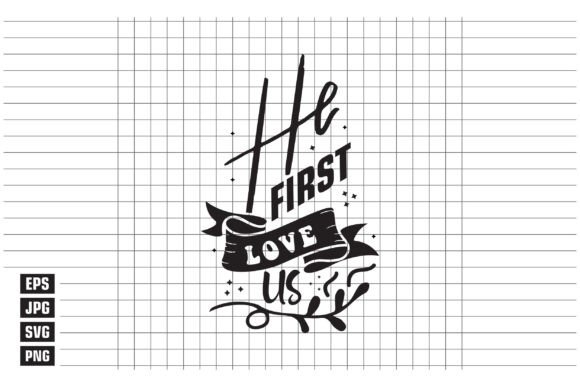
The layout of He First Loved Us strikes a balance between modern typography and classic sentiment. From a visual standpoint, the design avoids unnecessary clutter, which is crucial for embroidery. Overly complex graphics often result in messy stitch outs, especially on textured fabrics. This design appears to rely on clean lines and legible lettering, suggesting that it was created with an awareness of how thread behaves. The mood it creates is warm, inviting, and sincere. It does not scream for attention but rather invites a closer look, which is exactly what you want in a piece of custom apparel or home decor.
When evaluating any embroidery file, I always look at the negative space. In this case, the spacing between letters seems adequate, reducing the risk of threads merging during high-speed stitching. This is a critical detail for anyone running a craft business where consistency and quality control are paramount. A design that looks good digitally but turns into a blob of thread on a sweatshirt is a liability, not an asset.
Real-World Application: The Tote Bag Test
To truly understand the potential of this design, I imagined applying it to a canvas tote bag, a staple item for many Etsy sellers and small shop owners. Canvas is a sturdy fabric, but it has a distinct weave that can challenge fine details. I visualized using a medium-weight cut-away stabilizer to ensure the fabric did not pucker under the tension of the hoop. The phrase He First Loved Us would likely sit centered on the bag, serving as a subtle statement piece.
In this context, the design performs well because it is not overly dense. A heavy fill stitch pattern might make the bag stiff and uncomfortable to carry, but a design that utilizes a mix of satin stitch for borders and lighter fills for larger areas maintains the drape of the fabric. For a handmade product intended for daily use, this balance is essential. Customers appreciate items that look professional but feel comfortable. If I were selling this as a personalized gift, I would recommend pairing it with earthy thread colors like olive green, mustard, or slate blue to enhance its organic, heartfelt appeal.
Versatility Across Product Lines
Beyond tote bags, this design shows promise for various other applications. For sweatshirt embroidery, the design could be placed on the left chest for a understated look or across the back for a bolder statement. When working with fleece or terry cloth, however, one must be mindful of the pile. Using a topping stabilizer would be necessary to prevent the stitches from sinking into the fabric, ensuring that the text remains crisp and readable.
For baby embroidery projects, such as onesies or burp cloths, the sentiment is particularly touching. However, caution is required. Baby skin is sensitive, so the back of the embroidery must be finished cleanly. I would advise using a soft tear-away stabilizer and ensuring that no loose threads remain. Additionally, for such small items, scaling the design down is necessary. This brings us to an important consideration: hoop size and detail retention.
Navigating Technical Constraints
While He First Loved Us is visually appealing, it is not without its technical challenges. The primary concern with any text-based design is legibility at smaller sizes. If you attempt to stitch this on a 4x4 hoop for a cap or a small patch, the finer details of the letters may become lost. The curves in certain characters might require precise digitizing to avoid jagged edges. I strongly recommend testing the design on scrap fabric before committing to a final product. This allows you to adjust the stitch density and tension settings specific to your machine.
Another factor to consider is fabric texture. On thin or stretchy fabrics, such as jersey knits used in t-shirts, the design needs proper support. Without adequate stabilization, the fabric may distort, causing the text to wave or pucker. For dark fabrics, thread color contrast becomes vital. A light-colored thread on a black shirt will pop, but you must ensure the stitch coverage is sufficient to prevent the background fabric from showing through the letters.
Commercial Viability and Brand Consistency
For commercial embroidery professionals and digital product sellers, the value of a design lies in its versatility and reliability. He First Loved Us fits well within the niche of faith-based and inspirational goods, a market that remains robust year-round. It is not limited to holiday seasons, making it a sustainable addition to your catalog of design assets.
When offering this as part of a small shop product line, consistency is key. Ensure that every stitch-out meets the same standard of quality. This builds customer trust and encourages repeat business. If you are selling the digital file itself, clearly communicate the recommended hoop sizes and fabric types. Providing a printable mockup or photos of actual stitched samples can significantly boost buyer engagement and reduce confusion.
Practical Notes for the Embroiderer
- Test Before You Sell: Always stitch a sample on the intended fabric. What works on cotton may fail on polyester.
- Check Thread Contrast: View your design in black and white to ensure the shapes are distinct without color reliance.
- Stabilizer Selection: Match your stabilizer to your fabric. Cut-away for knits, tear-away for wovens.
- Licensing Verification: Although this is listed under Freebies, always confirm the license terms. Can you sell finished products? Can you redistribute the file? Clarity here protects your business.
- File Formats: The package includes Editable EPS, SVG, PNG, and JPG. Note that for machine embroidery, you will need to digitize these graphics or convert them using specialized software, as they are not provided as native machine files (like PES or DST) in this description. Ensure you have the skills or tools to convert these Graphics into a stitch-ready format.
Final Verdict
He First Loved Us is a thoughtful addition to any designer’s library. It offers emotional resonance and visual clarity, two ingredients for successful embroidery projects. While it requires careful handling regarding scale and fabric choice, its potential for creating meaningful custom apparel and home goods is high. For the experienced maker, it provides a solid foundation for creating products that connect with customers on a personal level. Just remember to respect the technical limits of your machine and materials, and this design will serve you well in your creative endeavors.